TL;DR
An AI SDR is software that does a sales development rep's prospecting: research, lists, outreach emails and follow-up. It's good at the volume work and poor at the conversation. For a small team, the setup that holds up is a hybrid: AI finds and drafts, a person checks and sends, and a person takes every call. In the UK, be careful with AI cold calling. The ICO treats recorded or synthesised speech in a marketing call as an automated call, which needs specific prior consent.
Why trust this page: I spent 12 years in sales, including years on a dialler booking appointments for small businesses, and I finished in the top 3 of 18 agents on one calling floor. I don't sell AI SDR software and I don't make calls for clients. I train teams, write their scripts and build the follow-up. The figures below come from a vendor report and the ICO, checked in October 2026, and I've labelled which is which.
What is an AI SDR?
An AI SDR is software that does the prospecting work a sales development rep does. It finds businesses that match your ideal customer, researches them, writes a first message, sends follow-ups and, in some tools, replies and books a meeting. Most run on email and LinkedIn. A few add voice calls, which is where UK law gets in the way.
SDR stands for sales development representative: the person whose job is to start conversations and hand qualified meetings to whoever sells. The AI version is sold as a digital rep that never sleeps. Search for it and page one is almost entirely the vendors selling it, which tells you whose opinion you're mostly reading.
Do AI SDRs actually work?
They work for some jobs and not others. AI is quick at research, list building, first drafts and keeping track of follow-ups. It's weak at sounding like a person a buyer wants to talk to. The data I trust most says the human-checked version beats the fully automatic one by a wide margin, so the useful question is which half to automate.
The best figures I found come from one vendor's 2026 report, which pulls together data from several AI sales tools. Read them as a vendor's numbers, not an independent survey:
- 41% of enterprise B2B teams had an AI SDR in production in early 2026, up from about 12% a year before.
- Fully autonomous agents got reply rates of 1 to 3%. Outreach triggered by real buying signals, with a human supervising, got 15 to 25%.
- On autonomous platforms, reply quality dropped by 30 to 50% by week 8, as the templates wore out and email providers learned to filter them.
Source: The State of the AI SDR 2026, published by an AI sales vendor. Note that the adoption figure is for enterprise teams. Small firms are further behind, and that's fine.
What 12 years on the phones says
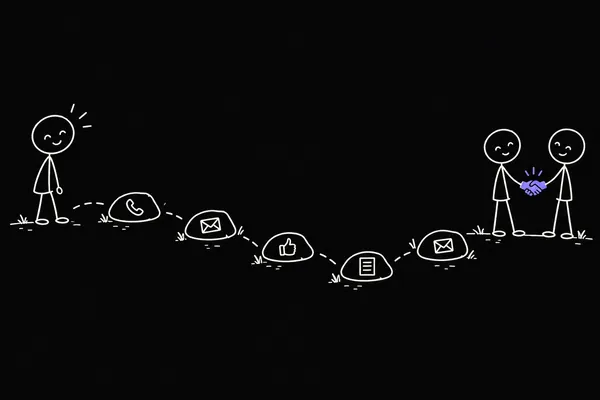
The parts of the job that booked meetings were never the parts AI is good at. Research and lists matter, but what won the meeting was the opener, how you handled the first objection, and whether you called back when you said you would. Hand the first half to AI. Keep the second half human.
When I was calling, I booked more than 200 solar appointments and, on my best day, nine appointments (my own records). Neither came from a clever list. They came from conversations that flowed and from callbacks booked earlier in the week landing on the same day. I've written about why most appointments come from callbacks, not first calls. No AI tool I've seen books, remembers and makes a callback the way a good caller does.
What I'd happily have handed to software on that floor:
- Research. Who runs the business, what they sell, whether anything has changed that gives me a reason to call.
- Lists. Building and cleaning them, and checking them against the TPS and CTPS before a single dial.
- Signals. Spotting the firm that just hired, moved or raised prices, so the call has a reason behind it.
- First drafts. Emails and LinkedIn messages, for a person to edit before they go.
- Reminders. Who said "call me Thursday", so nobody forgets. Speed matters here too, which is why speed to lead is the cheapest fix I know.
AI SDR or human caller: side by side
Put simply, AI wins on volume and cost per task, and people win on judgement and conversations. A small team doesn't have to choose. The table shows where each one earns its place, so you can split the work instead of replacing anybody.
| Job | AI SDR | Human caller |
|---|---|---|
| Researching a prospect | Fast, thorough, cheap | Slow, and the first thing to get skipped on a busy day |
| Building and screening lists | Good, if the data source is good | Tedious and error-prone |
| First-draft emails | Good starting point; needs checking | Better voice, far fewer per day |
| Live phone conversation | Legally risky in the UK; buyers spot it | Where meetings are actually won |
| Handling an objection | Scripted, brittle | Reads the tone and adapts |
| Booking and keeping callbacks | Can remind; can't build the rapport | The main source of booked meetings in my experience |
| Cost | A share of a salary, plus data and checking time | A full salary, plus management and tools |
Is AI cold calling legal in the UK?
AI cold calling is only legal with the person's specific prior consent if the call plays recorded or synthesised speech. Under Regulation 19 of PECR, an automated marketing call needs the person's prior consent to that type of call, and consent to live calls isn't enough. Email and LinkedIn outreach follow different rules. Live calls made by a person follow the TPS and CTPS rules.
The ICO's guidance on telephone marketing sets out the rule. More to the point, when a firm asked whether an AI-made greeting in a call handler's voice could open a marketing call, the ICO's answer was that it falls under Regulation 19. And in September 2025 the ICO fined two energy firms £550,000 in total for automated calls using avatar software that played recorded lines.
So if an AI SDR offers voice calling, ask exactly what the person on the other end hears and who is speaking. This is general guidance, not legal advice, and the ICO says its PECR guidance is under review after the Data (Use and Access) Act. My guide to cold calling and UK law covers the live-call rules.
How much does an AI SDR cost?
Hard to say from the outside, because many vendors don't publish a price. The one benchmark I found puts an AI SDR licence at 20 to 60% of a human SDR's fully loaded cost. The real cost per meeting depends far more on whether a person supervises it than on the licence fee.
Checked on 25 October 2026, one well-known vendor's pricing page prints no price at all and asks you to talk to sales. The same vendor report as above, in US dollars, puts the cost per qualified meeting at $250 to $400 for fully autonomous agents and $80 to $180 for signal-driven outreach that a human supervises. Again, those are a vendor's figures.
Add the costs that don't appear on the quote: the data, extra email domains and mailboxes so your main domain isn't damaged, and the hours someone spends checking what goes out in your name. If you're comparing against hiring, my article on outsourced lead generation has UK figures for a human SDR and for calling agencies.
Will AI replace SDRs?
It's replacing a lot of what SDRs used to spend their day on, and that's no bad thing. For a small business, it won't replace the conversation. Buyers have learned to ignore automated outreach, so a real person who knows the service and calls back when they said they would stands out more than ever.
The same vendor report found a hybrid team made 2.3 times the revenue of an AI-only setup in a controlled test. That matches what I saw: the callers who did best were the ones who listened to their own calls and took feedback, not the ones who dialled the most. Volume was never the problem. Conversations were.
A hybrid set-up for a small team
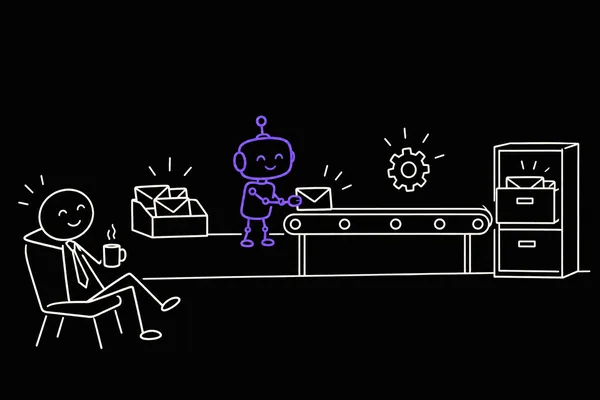
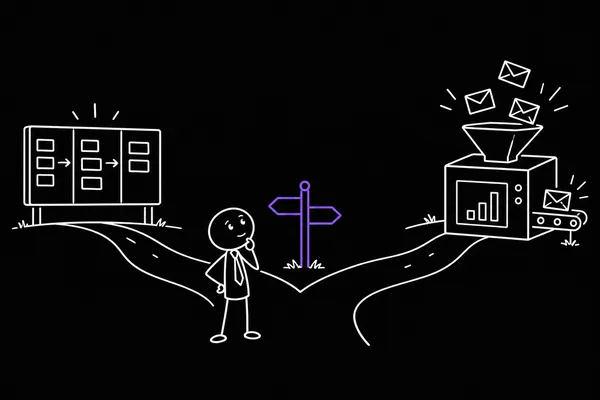
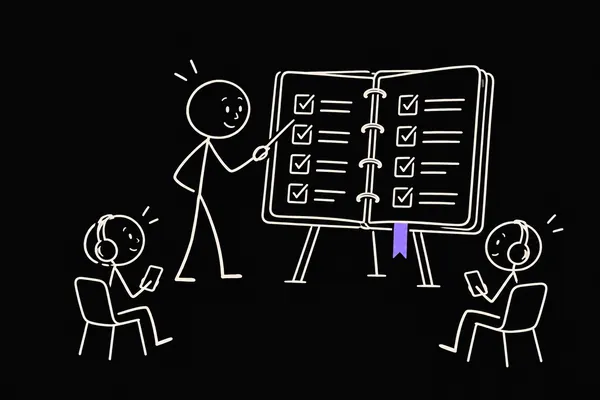
For a team of one to ten, keep it simple: let AI do the research and the drafts, have a person approve everything that goes out, and keep every phone call human. Start with one segment, measure meetings held rather than messages sent, and only add volume once the replies are good.
- Pick one segment. One type of business, one problem you solve for it. AI makes it easy to email everyone, which is the fastest way to email no one well.
- Use AI for research and signals. A short brief on each firm, and a reason to get in touch now.
- Let AI draft, then edit. A person reads every message before it goes. If it sounds like everyone else's, rewrite it.
- Keep calls human. Screen the list against the TPS and CTPS, then a person calls. Book a specific callback when the timing's wrong.
- Track the right numbers. Replies that turn into conversations, meetings held, and callbacks kept. Not emails sent.
The person on the phone still needs a script and someone listening to their calls. That's the part I help with through sales training: openers, objection answers and call reviews built from your own calls. The free sales playbook template is a good place to start.
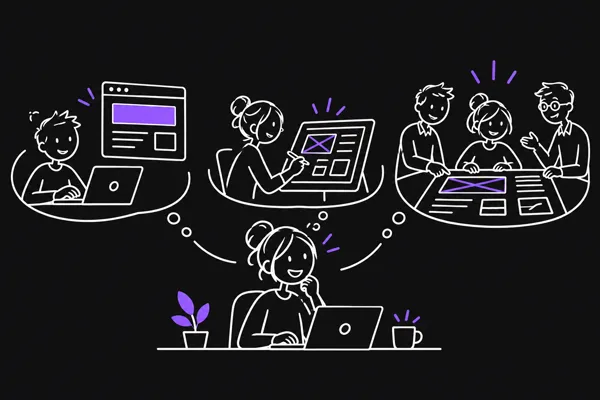
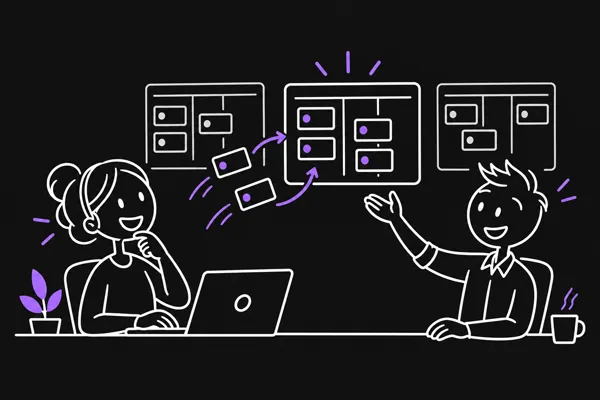
The hand-over from AI to a person
- Research
AI finds firms and reasons to get in touch.
- Draft
AI prepares a first message and keeps the list tidy.
- Human check
A person checks the facts, the list and what goes out.
- Conversation
A person calls, listens and keeps the callback.
The practical summary
- An AI SDR automates prospecting: research, lists, outreach and follow-up.
- It's strong on volume work and weak on conversations.
- Human-checked outreach far outperforms fully automatic outreach, even by a vendor's own figures.
- In the UK, AI voice calls need specific prior consent. Keep phone calls human.
- Many vendors don't publish prices. Budget for data, mailboxes and checking time on top.
- For a small team, run a hybrid: AI finds and drafts, people send, call and call back.
Not sure where AI fits in your sales process? Book a free 15-minute call and I'll tell you what I'd hand to AI and what I'd keep on the phones.
Fair questions
What is an AI SDR?
An AI SDR is software that does the prospecting jobs a sales development rep does: finding target businesses, researching them, writing outreach, following up and, in some tools, booking meetings. Most work by email and LinkedIn. A few add voice calls.
Do AI SDRs actually work?
They work best on research, list building and first drafts, with a person checking the messages and taking the conversations. One vendor's 2026 report puts fully autonomous outreach at 1 to 3% reply rates, against 15 to 25% for signal-driven outreach that a human supervises.
Is AI cold calling legal in the UK?
Be very careful. Under PECR, an automated marketing call that plays recorded or synthesised speech needs the person's specific prior consent, and the ICO has said an AI-made greeting in a caller's voice falls under that rule. Live calls by a person follow the TPS and CTPS rules instead.
How much does an AI SDR cost?
Many vendors don't print a price and quote after a sales call. One vendor's report puts an AI SDR licence at 20 to 60% of a human SDR's fully loaded cost. Budget for data, mailboxes and someone's time to check the output on top.
Will AI replace SDRs?
It is replacing much of the research and admin. For a small firm, the conversation, the objection and the callback still need a person who knows the service. The likely outcome is fewer, better-supported callers rather than none.